Lobby, Minus the Audience: A Jaipur First-Meeting Guide for U.S. Guests
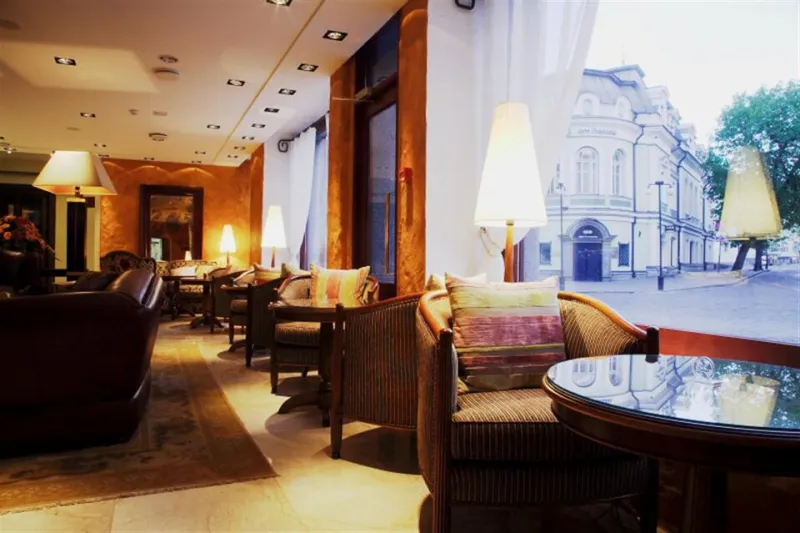
Photo: alku, CC BY 3.0, via Wikimedia Commons
The Lobby Is Neutral Ground, Not a Casting Couch
A hotel lobby in Jaipur can feel like the safest possible first-meeting spot: lights, cameras, chai, and a human behind the desk. That last part is the trap. The front desk is not your social secretary, your translator, your vetting committee, or your wingman. In 2026, the best lobby meetups are the ones where staff notice almost nothing and both people feel free to walk away.
This is not about sneaking around. It is about basic discretion in a city where hospitality runs on conversation. A five-star lobby in C-Scheme and a boutique haveli near Amer Road both have one thing in common: employees who remember faces. Use that to your advantage by being boring, polite, and self-sufficient. The goal is a calm public handshake, not a scene.
The Confirmation Message That Does the Heavy Lifting
Before you ever sit down, send a confirmation that answers the awkward questions in advance. Keep it short and specific:
- Where: the exact seating area, not just the hotel name. “The two chairs by the lobby coffee counter, not the bar” beats “see you at the hotel.”
- When: a tight window. “I’ll be there from 7:00 to 7:15” gives a natural end to waiting without turning it into a countdown.
- What you’re wearing: one concrete detail. “Navy shirt, no jacket” is more useful than a selfie with three filters.
- The exit clause: say plainly that either person can end the meetup at any point, no explanation needed. “If it doesn’t feel right, we call it and go our separate ways — no hard feelings” should be in the message, not just in your head.
This is consent-first logistics. It also keeps you from texting the front desk later to ask whether “your guest” has arrived. You already agreed on the plan.
Picking a Seat That Keeps Things Public but Private
Seating choice is quiet consent infrastructure. A lobby sofa in the middle of the room feels like a parade. A dark corner near the elevators feels like a plot. Aim for the middle distance: a two-top near the coffee service, a pair of chairs with a side table, or a bench with a clear sightline to the entrance and the exit.
Sit so you can see the door without staring at it. Avoid the bar if you want a clear-headed conversation. Avoid the concierge desk if you do not want to be tempted to ask staff for help with things that are not their job. And do not book a room for the meeting unless you have already discussed it. A lobby coffee is not a contract; keeping the room out of the first meeting makes the exit easier for both of you.
What the Front Desk Should Never Be Asked
Hotel staff in Jaipur are used to tourists asking for directions, restaurant recommendations, and a new bottle of water. They are not there to validate your date. Do not ask:
- “Can you tell me if she’s legitimate?”
- “Can you call her room and say I’m waiting?”
- “Can you keep an eye on her while I run upstairs?”
- “Can you tell me her real name?”
- “Can you hold this cash for me?”
These questions turn employees into unwitting gatekeepers and put them in a position they did not agree to. If you need a safety check, use your own phone and your own plan. If you need a translator, use a translation app. If you need someone to watch your bag, take it with you. The front desk is for check-in, checkout, and taxi calls. That is it.
Privacy Expectations for Both Sides
Discretion runs both ways. Do not announce the meetup to the lobby. Do not take photos of your companion in the seating area without asking, and do not assume a public lobby means public content. The same goes for names: use the name your companion gives you, not the one on a profile or a booking. If you are staying at the hotel, do not leave a key card or room number on the table like a business card.
A good rule for U.S. guests: behave as if a colleague from your company’s Jaipur office could walk through the lobby. Not because anything is wrong, but because privacy is part of respect. The meetup should feel like a quiet coffee, not a reveal.
The Easy Exit Clause
Before the first sip, agree on how either person leaves. Keep it practical:
- Sit near the exit, not behind a maze of furniture.
- Order something small. A heavy meal makes a polite exit feel rude.
- Have separate transport. Do not make one person dependent on the other for a ride.
- Use a simple phrase if you want to end early: “I think we’re good for tonight.” No interrogation, no debate.
- Pay for your own coffee if that feels cleaner. Splitting a bill is fine; making it a power move is not.
If the conversation is going well, you can always extend. If it is not, you can leave without turning the lobby into a courtroom. That is the whole point of a public first meeting: the setting does the heavy lifting so neither person has to perform.
A Sample Handoff, Minus the Theater
You arrive five minutes early, sit at the two chairs near the coffee counter, and order a chai. Your companion arrives, you stand, say hello, and sit back down. No hug unless it is clearly mutual. No loud “I’m so glad you made it.” You talk for twenty minutes. If it is working, you suggest a walk or another coffee. If it is not, you say, “I appreciate you meeting me. I think we’re good for tonight,” and you both leave.
The front desk notices nothing except a guest drinking chai. That is a successful handoff in Jaipur: consent clear, privacy intact, and the exit as easy as the entrance.